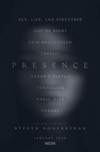
Steven Soderbergh once again proves he can reinvent a genre with just a few well-placed elements. Presence is not a conventional horror film; it’s more of an exercise in unsettling observation, with the camera adopting the point of view of a ghost silently roaming the house—patient, quiet, and oddly curious. From the very first shot, it’s clear that the tension won’t come from cheap jump scares, but from the feeling of invading a private space.
What’s most fascinating is how the story, without big twists, gradually fills with a growing unease. The measured camera movements and clever use of off-screen space make every room feel like it’s hiding something. As intruders, viewers begin to sense that what’s haunting the house isn’t just supernatural—it’s also made up of grudges, secrets, and unspoken guilt lingering in the air.
Soderbergh crafts a tale that takes its time, which may frustrate those expecting a scare-fest. Yet this very patience gives weight to the most intense moments, when a glance or a prolonged silence says more than any line of dialogue. It’s a kind of horror that slips in quietly but lingers afterward.
The performances are solid, though some characters could have used more depth so their fates hit harder. Still, the cast captures the simmering tension that runs through the story, keeping the audience engaged even during the quieter passages.
Not everything works perfectly. A couple of scenes reach too far for symbolism and slightly upset the balance, and while the climax is unsettling, it may leave some wishing for a sharper final blow. Yet the film’s hypnotic pull more than makes up for it.
Presence ultimately offers a different take on ghost stories—less about scares, more about atmosphere and the way the unseen can disrupt the everyday. Soderbergh delivers a film that doesn’t so much frighten as it lingers in your mind like a silent presence you’re not sure you want to leave.